
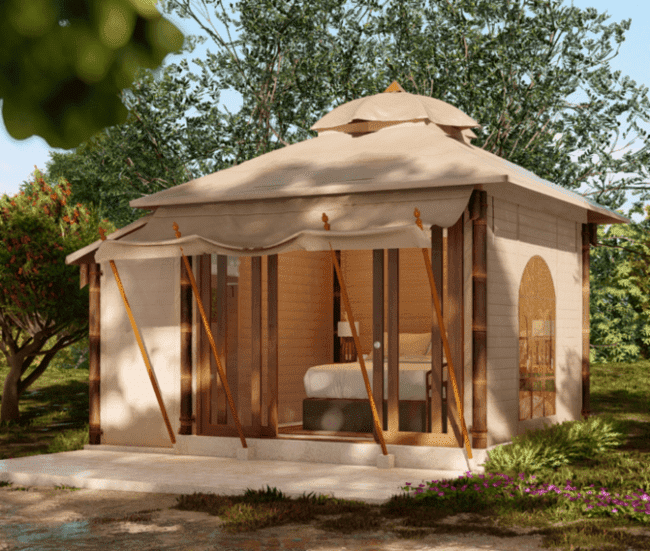
The world is turning green—and so is travel. With more adventurers seeking immersive experiences that leave minimal environmental impact, eco glamping has emerged as a leading trend in sustainable tourism. As a glamping site owner or developer, choosing the right eco tent isn’t just a design decision—it’s a statement of your values and a commitment to conscious living.
But how do you choose the best eco tent for your glamping site? With so many options on the market, you need to consider more than just aesthetics. From materials to climate performance to long-term durability, there’s a lot to think about.
This guide will help you navigate your options and confidently select the ideal eco-friendly glamping tents for your site.
1. Start With Your Environment and Climate
Before diving into canvas choices or floorplans, begin with the natural environment where your tents will be installed.
Consider:
- Temperature variations: Will you need insulation for alpine regions or ventilation for the tropics?
- Weather exposure: Is the site prone to wind, rain, or high UV?
- Local flora and fauna: Will you need added protection from insects or wildlife?
By understanding your climate and topography, you can choose eco tents designed for durability and year-round comfort.
2. Choose Sustainable, High-Quality Materials
When it comes to eco-friendly glamping tents, material choice is critical. Look for suppliers that prioritize natural, biodegradable, or recyclable fabrics and sustainable building practices.
Top Sustainable Tent Materials:
- Organic cotton canvas – Breathable, natural, and biodegradable
- Bamboo poles or FSC-certified timber – Renewable, strong, and aesthetic
- Recycled PVC or PET for flooring and membranes
- Natural insulation like wool or hemp batting
3. Look for Energy-Efficient Design
Sustainable glamping goes beyond tent materials. The best eco tents integrate energy-efficient features that reduce consumption while enhancing guest comfort.
Eco-conscious features to consider:
- Solar panel integration for lighting or heating
- Passive ventilation and natural cooling
- LED lighting and low-power appliances
- Rainwater collection systems for showers or greywater use
Choosing tents that are designed for low-impact living helps reduce your operational costs and carbon footprint.
4. Evaluate Tent Size and Layout Flexibility
Glamping guests want more than a tent—they want an experience. Choose a model that provides ample space, privacy, and luxury features like:
- Ensuite bathroom zones
- Kitchenette or dining space
- Indoor seating/lounge area
- Optional second bedroom for families
Look for modular tent options that can be configured based on guest types, from couples to groups.
5. Consider Assembly, Portability, and Maintenance
Eco doesn’t have to mean complicated. Choose eco-friendly glamping tents that are easy to set up, take down, and maintain over the years.
Key questions to ask:
- Can your team assemble the tent easily?
- Are spare parts available locally?
- Is the structure designed for long-term outdoor use?
- How often do the materials require reproofing or repairs?
Low-maintenance options with strong supplier warranties can save time and money in the long run.
6. Work With Trusted Eco Tent Suppliers
It’s not just about the tent—it’s about who you buy it from. Working with experienced, reputable eco-friendly glamping tent suppliers ensures:
- Proper product testing in local conditions
- Compliance with Australian safety and building standards
- Ethical manufacturing practices
- Customization and support
Ask for case studies or examples of previous installs. The right supplier will guide you from selection to installation and beyond.
7. Design for the Guest Experience
Even the greenest tent won’t impress guests if the experience falls flat. Don’t forget the interior design and ambiance.
Elements to enhance the guest experience:
- Natural materials like timber and linen
- Warm, earthy color palettes
- Off-grid tech: solar fairy lights, composting toilets
- Outdoor bathtubs, fire pits, or deck lounges
When your tent combines eco-conscious design with high-end comfort, you can charge premium rates and attract nature-lovers and luxury seekers alike.
8. Budget With Sustainability in Mind
Going green is an investment—but one that pays off. While eco-friendly tents might have a higher upfront cost, they often deliver:
- Longer lifespan
- Lower energy bills
- Increased guest satisfaction and reviews
- Stronger market positioning in the sustainable travel niche
When budgeting, factor in potential savings and long-term ROI, not just the sticker price.
FAQs: Choosing Eco-Friendly Glamping Tents
1. What makes a glamping tent eco-friendly?
Eco-friendly glamping tents use sustainable materials, require less energy, and have a lower impact on the environment. They often include features like solar power and natural insulation.
2. Are eco tents suitable for all weather conditions?
Yes, many eco tents are designed for year-round use. Choose models with proper insulation, ventilation, and waterproofing to match your site’s climate.
3. Can eco-friendly glamping tents be customized?
Absolutely. Many suppliers offer modular designs, allowing you to add bathrooms, kitchens, or unique layouts based on your brand and target audience.
4. Do eco tents require special maintenance?
Not necessarily. Regular cleaning, occasional reproofing, and basic upkeep can keep your tents in excellent condition for years. Always follow the manufacturer’s care guide.
5. Are eco tents more expensive than regular tents?
While the upfront cost may be higher, eco tents offer better durability, energy savings, and branding advantages that provide greater long-term value.
6. Where can I buy eco-friendly glamping tents in Australia?
Several reputable companies sell eco tents in Australia. Look for suppliers that specialize in eco glamping and have experience with Australian terrain and regulations.
Conclusion: Build a Glamping Site That Gives Back
Choosing the right eco-friendly glamping tents means investing in sustainability, guest comfort, and long-term business success. As more travelers prioritize eco-conscious options, your site’s tents should reflect not just luxury—but responsibility.
By considering climate, design, materials, and supplier ethics, you can create a glamping destination that blends seamlessly with nature while offering unforgettable guest experiences.
Whether you’re just starting out or upgrading your current setup, eco tents are more than a trend—they’re the future of outdoor hospitality.