
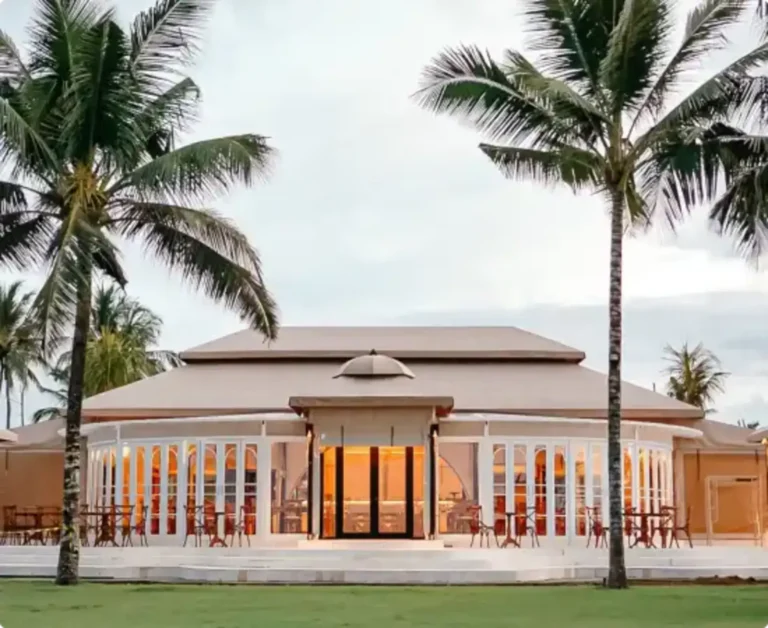
Glamping – short for “glamorous camping” – has become one of the most popular trends in eco-tourism and luxury travel, especially in Australia. With the country’s vast natural landscapes, pristine beaches, and unique wildlife, it’s no surprise that both local and international travellers are flocking to glamping resorts that offer comfort without sacrificing nature.
If you’re dreaming of starting your own glamping resort in Australia, whether in the outback, rainforest, or near the coast, here’s a detailed step-by-step guide to help you turn your vision into reality.
Step 1: Choose the Right Location
The success of a glamping resort hinges heavily on its location. Australia offers a diverse range of landscapes that cater to various types of travellers:
- Coastal Retreats: Think Byron Bay, the Great Ocean Road, or Noosa. Ideal for beach lovers.
- Bush & Outback: Uluru, the Flinders Ranges, or WA’s Kimberley region offer rugged adventures.
- Rainforest Escapes: The Daintree Rainforest or Tasmania’s Tarkine are perfect for eco-tourists.
Before settling on a location, consider:
- Proximity to airports or main roads
- Access to water and electricity
- Local council zoning and development laws
- Potential for mobile reception or Wi-Fi (optional, but valued by many guests)
Step 2: Understand Regulations and Permits
In Australia, setting up a glamping resort requires navigating a web of local, state, and sometimes federal regulations. These may include:
- Land use zoning: You’ll need to apply for a Development Application (DA) if your land isn’t zoned for tourism.
- Environmental Impact Assessments: Especially important in sensitive ecosystems.
- Fire Safety Regulations: Critical in bushfire-prone areas.
- Wastewater and Sanitation: On-site septic or composting toilets may need approval.
- Cultural Heritage Protection: Some sites may be on or near Indigenous heritage land.
Always consult with local council authorities early in the process.
Step 3: Design Your Glamping Experience
Glamping isn’t just about tents – it’s about offering a unique and luxurious experience in nature. Your design will determine your target market.
Types of Accommodation:
- Safari tents
- Yurts
- Geodesic domes
- Tiny homes
- Treehouses
- Airstream caravans
Amenities to Consider:
- Private bathrooms and hot showers
- Fire pits and BBQ areas
- Outdoor baths or hot tubs
- On-site dining or self-catering options
- Eco-friendly systems (solar power, composting toilets, rainwater tanks)
Focus on a theme that suits your location – e.g., wellness retreat, adventure base camp, couples getaway, or family-friendly escape.
Step 4: Source Sustainable and Quality Materials
Glamping appeals to travellers who value sustainability. Source materials that are eco-conscious and built to withstand the elements.
- Use local and sustainable timber where possible
- Install solar power systems
- Choose off-grid water solutions such as rainwater collection
- Opt for insulated, weather-resistant structures for year-round comfort
Make sustainability a key part of your branding and operations – modern travellers care deeply about this.
Step 5: Build Partnerships and Market Strategically
Once your site is ready, you need guests. Here’s how to build visibility:
- Partner with tourism boards like Tourism Australia or local councils
- List on glamping and booking platforms like Glamping Hub, Airbnb, Riparide, and Hipcamp
- Invest in a professional website with SEO-optimised content and easy booking features
- Use social media and influencers to showcase your experience
- Offer early bird specials or soft launch packages to attract your first customers
Step 6: Deliver Exceptional Guest Experiences
The heart of glamping is the guest experience. Stand out by offering thoughtful touches:
- Welcome packs with local produce or wine
- Guided tours, bushwalks, or wildlife experiences
- On-site yoga, massage, or wellness sessions
- Firewood, marshmallows, and cooking supplies
- Eco-conscious toiletries and linens
Encourage feedback, respond quickly to issues, and aim for 5-star reviews across all platforms.
Building a glamping resort in Australia can be a rewarding business that blends tourism, hospitality, and eco-conscious living. With careful planning, a great location, and a passion for guest experiences, you can create a space that travellers love – and one that thrives financially.
Ready to take the first step? Start with your dream location and begin building something truly special.
FAQs About Building a Glamping Resort in Australia
1. Do I need council approval to build a glamping resort?
Yes. Most local councils in Australia require a Development Application (DA), particularly if you’re developing land for commercial accommodation. Be sure to consult your council’s planning department early in the process.
2. How much does it cost to start a glamping resort?
Costs vary widely depending on your location and scale. For a small resort with 5-10 tents, expect to invest anywhere from AUD 150,000 to AUD 500,000, including land, infrastructure, and amenities.
3. Is glamping profitable in Australia?
Yes, especially in regions with strong tourism appeal. Many glamping sites charge AUD 200–500 per night, depending on luxury and location. With good occupancy rates and marketing, profitability is achievable within 1–2 years.
4. Can I operate off-grid in remote areas?
Absolutely. Many successful Australian glamping resorts run entirely off-grid using solar, rainwater tanks, and composting toilets. However, infrastructure must meet health and safety standards.
5. What insurance do I need for a glamping resort?
At minimum, you’ll need public liability insurance, property insurance, and possibly workers’ compensation. Consult an insurance broker who specialises in tourism or hospitality.
6. How can I stand out from other glamping providers?
Focus on unique design, local experiences, sustainability, and exceptional guest service. Consider incorporating Indigenous culture, farm-to-table meals, or adventure activities to create a memorable stay.